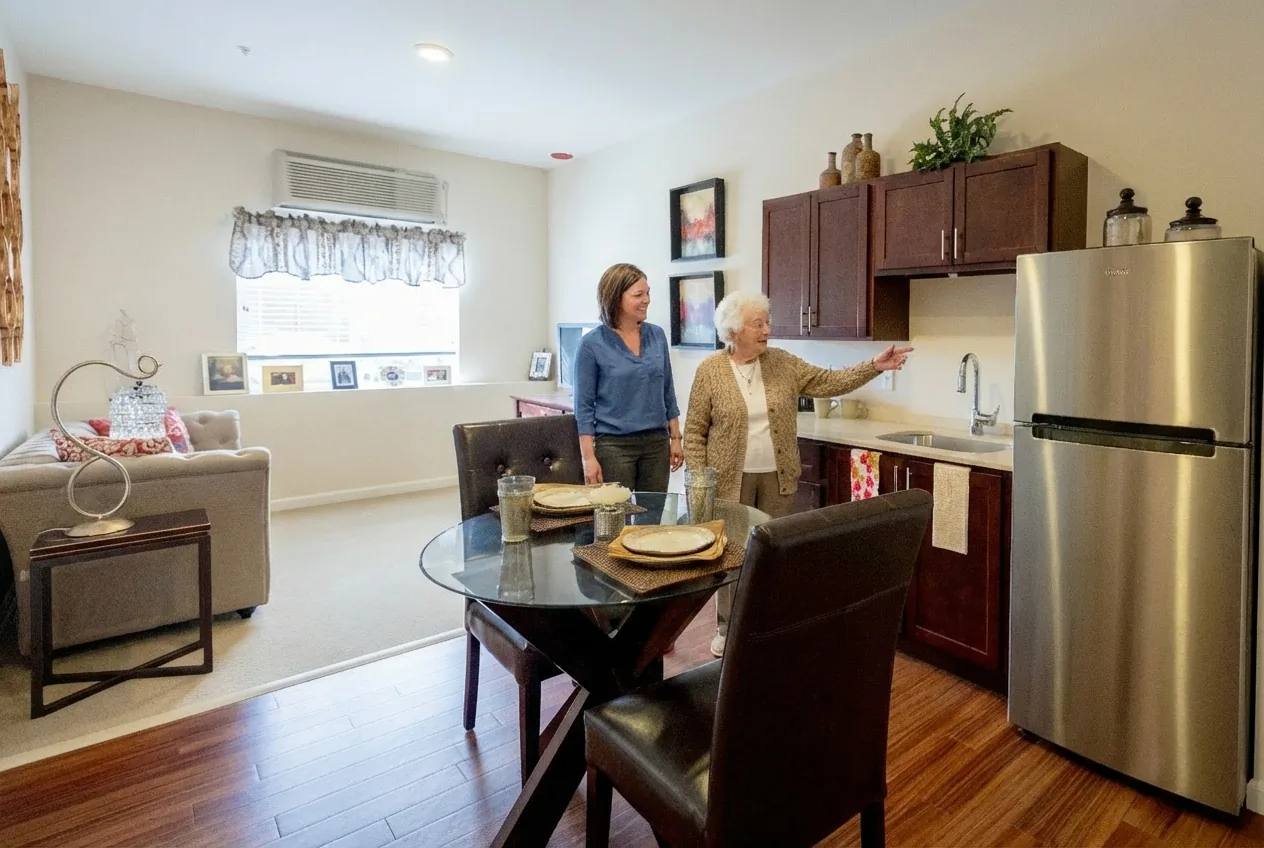

Caring for an elderly parent can bring difficult decisions and emotions. It can also change your relationship as you spend more time helping with daily life.
It’s normal to feel stressed or even trapped while caring for an elderly parent, but you’re not alone in this. Understanding your limits and how to manage the burden of caregiving can help you navigate this journey. There are resources and communities ready to support you.
Recognizing the Need for More Care
Notice when your parent's needs begin to exceed the care you can provide.
This might manifest as forgetfulness beyond the occasional misplaced keys, a decline in personal hygiene, or an inability to manage daily tasks. These signs are not just markers of age; they signal a need for intervention and support, both for the safety and well-being of your loved one and for your peace of mind.
Talk with your parent about their needs and wishes, and consider the family's financial resources and available help.
Managing Caregiving Strain
The emotional and financial strain of caregiving is real and significant. It’s essential to approach caregiving with strategies to manage these pressures. Creating a support network, seeking financial advice to understand the costs associated with different care options, and setting boundaries to preserve your well-being are all critical steps.
Remember, taking care of yourself isn’t selfish—it’s necessary. By protecting your own health and well-being, you’re better equipped to care for your loved one.
Caregiver burnout can sneak up on you, manifesting itself in both physical and emotional ways. Here are some common signs and symptoms to watch for:
- Feeling overwhelmed or constantly anxious: If you find yourself feeling swamped and unable to cope with everyday stresses, it might be a sign of burnout.
- Losing interest in activities once enjoyed: When the tasks of caregiving consume you to the point where your hobbies and interests fall by the wayside, it may be time to seek help.
- Changes in sleep patterns: Difficulty falling asleep, staying asleep, or conversely, finding it hard to get out of bed can all be indicators of burnout.
- Experiencing irritation or anger towards the person you’re caring for: While it’s normal to feel frustrated at times, consistent feelings of anger or resentment need attention.
- Physical symptoms: These can include headaches, stomachaches, or frequent colds, indicating that stress is impacting your physical health.
- Feeling persistently sad or hopeless: A lingering sense of despair or depression is a clear signal that you need support.
It’s crucial to recognize these symptoms early. If you do, consider talking to your parent about senior living communities that better suit their needs. Caring for yourself is just as important as caring for your loved one.
Exploring Senior Community Options
If your parent needs additional care, compare the available options and what each can provide. These include:
- In-home care services: In-home Care can provide a sense of independence for your parent while they receive the necessary assistance.
- Assisted living communities: These communities offer a balance of independence and care, providing social opportunities and medical support.
- Memory care: For those with dementia, memory care communities have specialized teams and layouts to provide care and peace of mind.
- Hospice care: Choosing hospice care may be appropriate when a medical condition is diagnosed as terminal and curative treatment ceases to offer benefits.
It’s essential to involve your parent in the decision-making process as much as possible, respecting their autonomy and preferences. You’ll also likely have to talk to your family doctor and other healthcare professionals to determine what your parent needs to live comfortably.
Navigating the Healthcare System
Advocating for your parent’s needs within the healthcare system can be daunting. Arm yourself with knowledge about their health conditions, insurance coverage, and rights as a patient. Don’t hesitate to ask questions and seek second opinions. Remember, you are your parent’s advocate, and your involvement can make a significant difference in the quality of care they receive.
You’re Not Alone
Support groups, online communities, and other resources can help you with the demands of caring for a parent.
At Stonebridge Senior, we offer compassionate care and support for families navigating the challenges of eldercare. We encourage you to seek support, not just for the sake of your elderly parent, but for your well-being.
Remember, caring for an elderly parent is a testament to the cycle of life—of giving back and showing love. It’s okay to ask for help, to feel overwhelmed, and to take breaks. You are doing your best in a role that asks for much but gives back immeasurably in moments of connection and love. When making end-of-life decisions, don’t hesitate to reach out to us for help and connect with others who understand your experience.
Keep exploring